Driving a manual car can seem intimidating at first, but once you master a few basic principles, it becomes a natural and even enjoyable activity. This short guide will explain step by step how to drive a manual car, giving you all the information you need to get started.
⚙️Learn to use the clutch correctly. Depress the clutch before changing gears and release it gradually to avoid stalling the engine.
🔄Shift at the right time. Listen to the engine and shift at the optimal RPM (usually between 2,000-3,000 RPM for gasoline engines).
⬇️Use engine braking on downhill slopes. Select a lower gear to reduce speed without excessively applying the brakes.
✋Don't hold your hand on the gear shifter.Avoid this habit, as it can lead to unnecessary wear and tear on gearbox components.
🎯Train your pedal coordination reflexes. Synchronizing movements between the clutch, accelerator, and brake is the key to smooth and safe driving.
Contents:
- Basic principles of driving a car with a manual transmission
- What else should a manual car driver know?
Basic principles of driving a car with a manual transmission
How does a car with a manual transmission work?
The essential element that characterizes a manual car is the manual gearbox.Manual cars require the use of a clutch pedal and manual gear shifting while driving. This gives you greater control over the car, but requires more coordination.
The main components of the manual transmission:
Clutch pedal isused to change gears. It is pressed in fully before moving the gearshift lever.
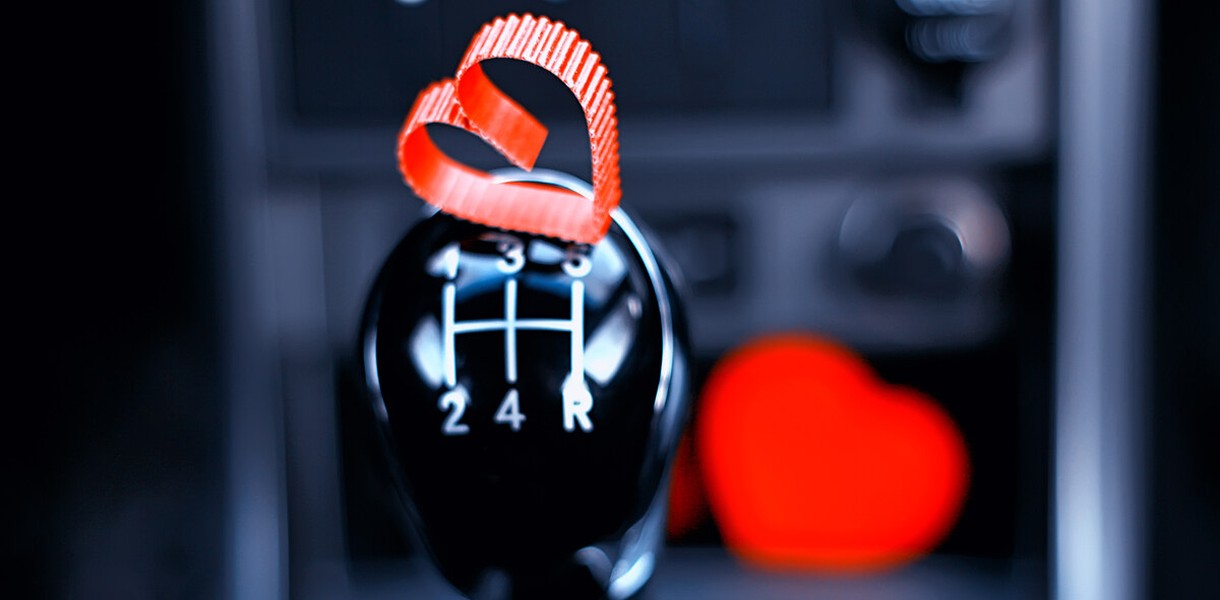
The gearshift isused to select the desired gear. Most common cars have 5 or 6 forward gears and one for reverse (R).
The accelerator and brake pedalsfunction the same as in an automatic car.
Thanks to the flexibility and control it offers,manual transmission is preferred by many drivers for the feeling of total control over the vehicle it gives, especially on difficult terrain or in adverse weather conditions.
Essential steps to driving a manual car
For beginners, there are a number of steps that must be followed to smoothly drive a car with a manual transmission. Let's look at them one by one:
Make sure the car is in neutral.Before starting the engine, the gearshift should be in neutral. You can check this by depressing the clutch and gently moving the gearshift left and right.
Depress the clutch pedal.Hold the clutch pedal fully depressed before starting the engine.
Start the engine.Use the key or the starter button, depending on the car model.
Select first gear.While holding the clutch pedal depressed, move the gearshift lever to first gear (1).
Slowly release the clutch and press the accelerator.Start to release the clutch pedal gently while gently pressing down on the accelerator pedal. The key is to find the engagement point, where the car starts to move.
Shift gears according to speed.When the engine reaches a higher rpm (usually between 2,000 and 3,000 RPM), depress the clutch pedal, shift to a higher gear, and gradually release the clutch again.
Brake gradually.When you want to stop, press the clutch pedal first, then the brake pedal.
Park correctly.Once you have stopped, put the gearshift in neutral and apply the handbrake. If the car is parked on a ramp (uphill) or slope (downhill), for safety it is recommended to leave it in reverse or first gear.
What else should a manual car driver know?
If you're new to driving a car with a manual transmission, you should also take into account a series of tips from the accumulated experience of drivers.
Useful tips for driving a manual car
Practice in quiet places.Choose a place without traffic to learn to coordinate the clutch and throttle. Large parking lots or deserted roads are ideal.
Avoid keeping your foot on the clutch. The habit of keeping your foot on the clutch pedal can unnecessarily wear out the system. Especially at stoplights, make it a habit to lift your foot off the clutch after you've shifted the car out of gear.
Adapt your driving technique in bad weather.In rainy or snowy conditions, accelerate more gently and use lower gears for better car control.
Anticipate stops.Start braking and downshifting early to avoid sudden stops.
Maintain your car regularly. The clutch system and manual transmission require proper maintenance to function optimally. Check these assemblies at the regular intervals indicated in the technical book or car manual.
Driving a manual car may seem complicated at first, but with a little practice and patience, it becomes an extremely useful and satisfying skill. It's important to stay relaxed, practice consistently, and learn to "feel" the car. With this knowledge, you're ready to enjoy safe and enjoyable roads!
Cover photo source: Shutterstock.com